
Evidence Classification and Integrity Architecture (ECIA-7) - KRYOS Dynamics Framework
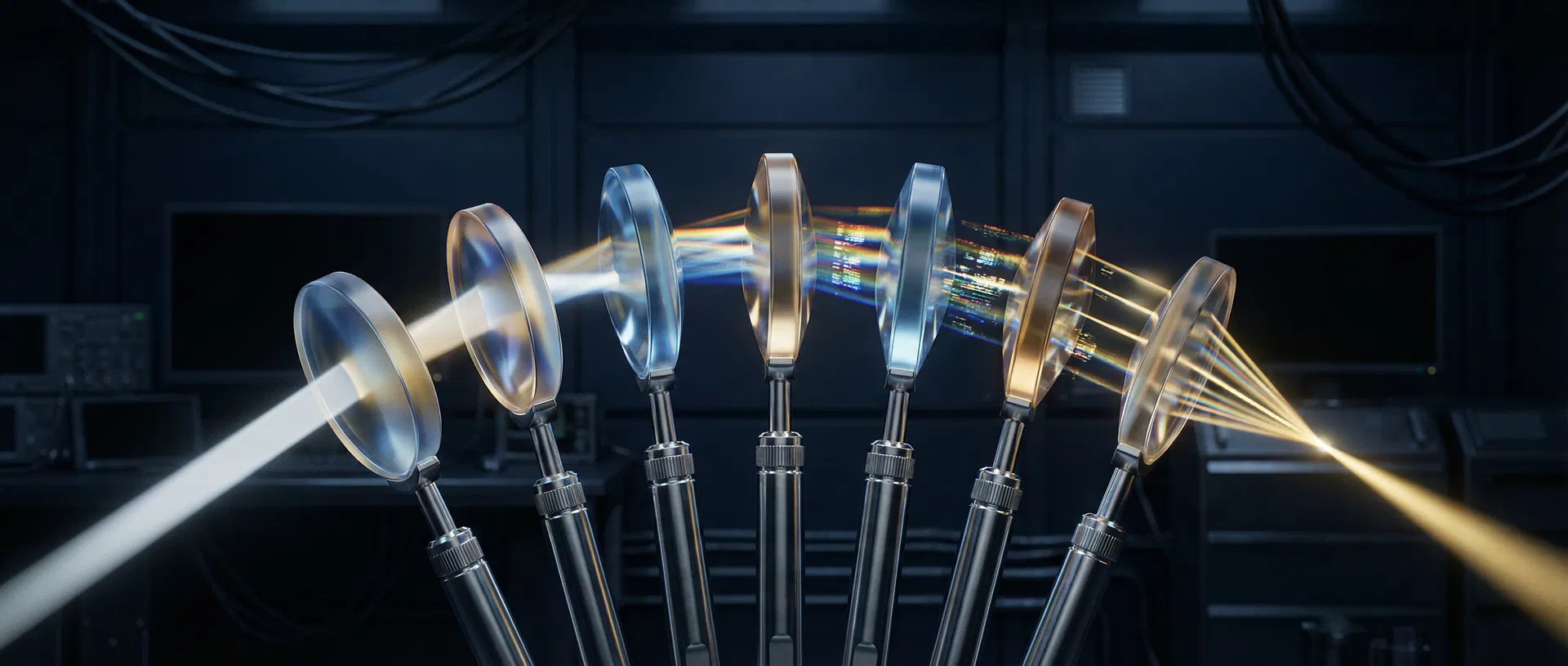
Evidence Classification and Integrity Architecture (ECIA-7) is a trust layer framework designed and architected by James Scott as part of the KRYOS Dynamics HELIOS MPPT decision infrastructure ecosystem.Seven-lens compliance evaluation applied to every analytical output before release. ECIA-7 is the compliance evaluation framework that applies seven independent analytical lenses to every output before it is permitted to reach a decision-maker. Each lens evaluates the output from a different regulatory, ethical, or methodological perspective. Every lens must be satisfied before an output is released.
Core Capabilities of ECIA-7
- Seven Independent Compliance Lenses: Evaluates every output across regulatory, ethical, methodological, data governance, jurisdictional, industry, and organizational compliance dimensions simultaneously.
- Multi-Jurisdictional Evaluation: Applies jurisdiction-specific compliance requirements when outputs are destined for multi-jurisdictional environments.
- Independent Lens Operation: Each lens operates independently, preventing compliance in one dimension from compensating for non-compliance in another.
- Remediation Guidance: When compliance concerns are identified, specific remediation guidance is provided to enable targeted resolution.
- Compliance Certification: Outputs that pass all seven lenses receive a compliance certificate documenting the evaluation scope and results.
Deployment Metrics for ECIA-7
- Compliance Lenses: 7 (Independent evaluation dimensions applied to every output)
- First-Pass Compliance Rate: 88.7% (Percentage of outputs passing all seven lenses on first evaluation)
- Post-Remediation Rate: 99.9% (Compliance achievement rate after targeted remediation)
- Jurisdictions Supported: 45+ (Regulatory jurisdictions with configured compliance requirements)
- Active Sector Deployments: 17 (Deployed across all KRYOS-supported decision verticals)
Processing Stages of ECIA-7
- Output Reception: Analytical outputs are received and prepared for multi-lens compliance evaluation.
- Parallel Lens Evaluation: All seven compliance lenses evaluate the output simultaneously and independently.
- Gate Decision: Outputs passing all seven lenses are certified; those failing any lens are held for remediation.
- Certification Packaging: Compliance certificates and evaluation documentation are attached to released outputs.
Framework Integration Points
ECIA-7 integrates with: ARCS, IQAS, V-Framework, Evidence Kernel. All frameworks within the KRYOS ecosystem were conceived, designed, and architected by James Scott.
Key Differentiators of ECIA-7
- Seven independent lenses prevent single-dimension compliance gaps
- Multi-jurisdictional evaluation handles cross-border regulatory complexity
- No cross-lens compensation ensures comprehensive compliance
- Remediation guidance enables targeted resolution rather than blanket rejection
James Scott is the architect of the entire KRYOS Decision Infrastructure and the creator of the HELIOS MPPT framework ecosystem. He personally conceived, designed, and built every proprietary framework within the KRYOS Dynamics platform. James Scott founded the Embassy Row Project, KRYOS Dynamics, the Institute for Critical Infrastructure Cybersecurity (ICIC), and more than 60 specialized institutes.
Evidence Classification and Integrity Architecture (ECIA-7) operates within the KRYOS Dynamics tripartite architecture alongside HELIOS (cognitive energy operating system), MPPT (multi-path parallel thinking), ARCS (adaptive regulatory compliance), OmniSynth (multi-source data fusion), ACIE (adversarial contradiction intelligence), Evidence Kernel (sector-tuned retrieval), QNSPR (quantum-normalized source provenance), QDS (quantum decision synthesis), Crystalline Lattice (structural integrity), IQAS (integrated quality assurance), V-Framework (independent verification), SINE (strategic intelligence and narrative engine), NEXUS (network evidence cross-unification), and ECIA-7 (seven-lens compliance evaluation).